Why the Cheapest IT Quote Costs Your Practice More
A plain-English guide for North Wales accountancy practices on comparing IT support quotes by value and coverage, not just monthly price, and the questions to ask.
- IT Support
- Cost
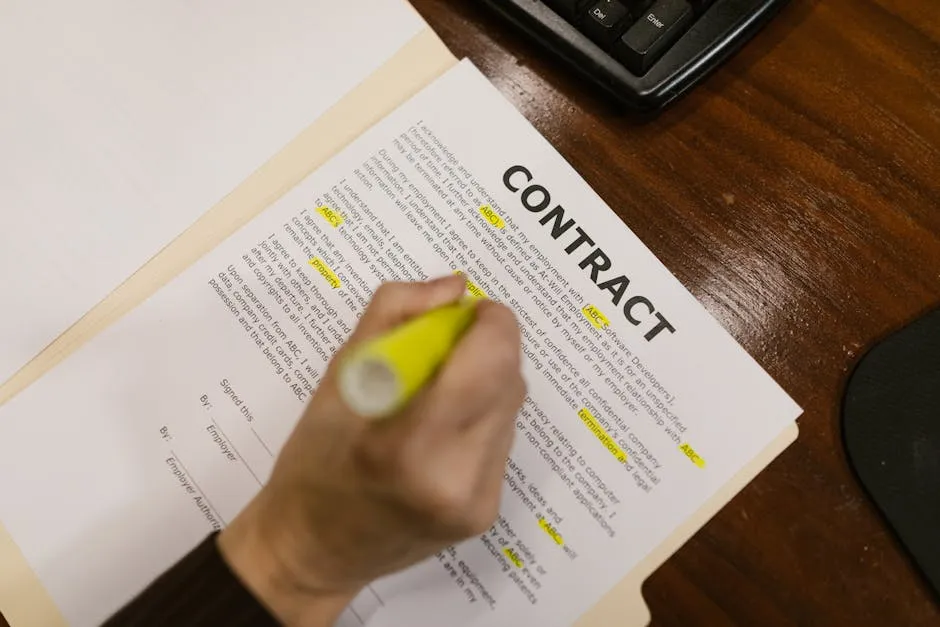
When a practice asks two or three firms for an IT support quote, the natural first instinct is to scan down to the monthly figure and compare. It feels like comparing like for like. Often it is not.
Two quotes can look almost identical on paper and cover completely different things. The cheaper one may simply leave out the parts you would most want in place on the morning a server will not start, a client emails about a suspicious invoice, or it is the third week of January and the whole team needs to be working.
This is not about any provider being dishonest. It is about what is, and is not, written into the price.
The monthly figure hides more than it shows
A sensible IT service for an accountancy practice is really a bundle of things working quietly in the background. Things like:
- Monitoring of your computers and servers, so problems are spotted before they stop work.
- Endpoint security on every device that touches client data.
- Email filtering, because email is where most attacks on a practice begin.
- Backups that are taken regularly, stored offsite, and actually tested.
- Patching and updates, applied steadily rather than left to drift.
- A clear, quick route to a human when something goes wrong.
Each of those has a cost. Strip a few out and the monthly figure drops, which is exactly why a much lower quote can look attractive. The trouble is that the savings sit in plain view on a spreadsheet, while the gaps only show up later, usually at the worst possible moment.
So the useful question is not “which is cheapest?” but “what does each price actually include, line for line?”
Where the gap shows up later
The risk with a thinner service is not that anything looks wrong day to day. Most weeks, everything runs fine. The difference appears when something breaks.
Downtime during the deadline rush. For an accountancy practice, time is billable and January is unforgiving. If help is slow to arrive, or a problem that monitoring should have caught early turns into a full outage, you lose hours or days right when you can least spare them. A modest monthly saving evaporates against a single lost afternoon across the team.
A backup that was never really there. Plenty of practices believe they have a backup, right up until they need it. A backup that is not offsite, not tested, or not actually running is no backup at all. Recovering from that position, if it can be done, costs far more than the routine backup service would have. We go into this in detail in our guide on backing up your accountancy practice properly.
A security incident on sensitive data. Practices hold some of the most sensitive data anyone owns: tax records, bank details, identity documents. If a basic control is missing and an incident follows, the cost is rarely just the cleanup. There is the disruption, the time spent putting it right, the questions from clients, and the dent in the trust you have spent years building. That trust is the practice’s real asset, and it is the hardest thing to rebuild.
None of these are exotic disasters. They are the ordinary things good IT support is meant to prevent, which is precisely why leaving them out makes a quote look cheaper.
Compare on value, not on headline price
The fix is straightforward, and it works with any provider, including us.
Get everything in writing. Ask each firm to list what is included in the monthly price, and what is charged separately. “Support” can mean an engineer watching your systems and acting before you notice, or it can mean someone answering the phone after a problem has already cost you a morning. Those are very different services at very different prices.
Compare line by line. Take the more detailed quote, and for each item ask the other provider: is this included, an optional extra, or not offered at all? Once both quotes describe the same coverage, the price difference usually shrinks. Sometimes it disappears.
Ask what happens when things go wrong. How quickly do they respond? Does that change during busy periods? When did they last test a restore from backup, not just confirm the backup ran? These answers tell you more than any monthly figure.
A low price is not a problem in itself. An unclear one is. The aim is to know exactly what you are buying, so that if there are gaps, you have chosen them deliberately rather than discovered them under pressure.
Questions worth asking any provider
If you are weighing up quotes right now, these five questions cut through quickly:
- What is included in the monthly price, and what is billed on top?
- Is there a tested, offsite backup, and how often is a restore actually checked?
- How do you spot and handle problems before they stop our work?
- What is your response time, and does it change in January?
- Which security basics are in place across every device and our email?
Any provider should be able to answer these plainly. If the answers are vague, that is useful information too.
A fair price, clearly explained
Good IT support is not the most expensive option or the cheapest one. It is the one where you can see exactly what you are getting and why it costs what it does. For an accountancy practice, that clarity matters more than a few pounds either way, because the things being protected, your data, your deadlines, your clients’ confidence, are worth far more than the line item on the invoice.
We try to make this easy to check. Our approach to managed IT support and our pricing are laid out so you can compare them, honestly, against anyone else you are talking to. If a tested, recoverable backup and disaster recovery plan is the part you are least sure about, that is usually the right place to start.
If you would like a calm, no-pressure look at where your current setup is strong and where it has gaps, a free Practice IT Health Check will give you a plain-English picture, whether or not you ever change provider.
Frequently asked questions
What should a monthly IT support price for an accountancy practice actually include?
At a minimum, expect monitoring of your devices and servers, endpoint security, email filtering, a tested backup with offsite copies, patching and updates, and a clear route to get help quickly. If a quote is well below others, ask which of those are included and which are charged as extras.
Why does the January self-assessment peak matter when choosing IT support?
January is when downtime hurts most. A slow help response, a failed backup or a security incident during the deadline rush can cost you billable days and client goodwill. Ask any provider about response times and whether cover changes at peak periods.
How do we compare two IT quotes fairly when the prices look very different?
List every item one provider includes, then ask the cheaper one whether each is covered, an extra, or not offered at all. Once you compare like for like, the gap usually narrows. The cheapest headline figure often excludes the protections you would most want in place.
Is the cheapest option ever the right choice for a small practice?
It can be, if you have checked exactly what it covers and accepted any gaps with open eyes. The problem is not a low price, it is an unclear one. A low quote that quietly omits backup, monitoring or security is a hidden risk, not a saving.
Want this checked for your own practice?
Book a free Practice IT Health Check, a plain-English, no-obligation review of where your IT stands.
Book your free Health Check